
10 Simple Daily Habits for a Healthier, Happier Life
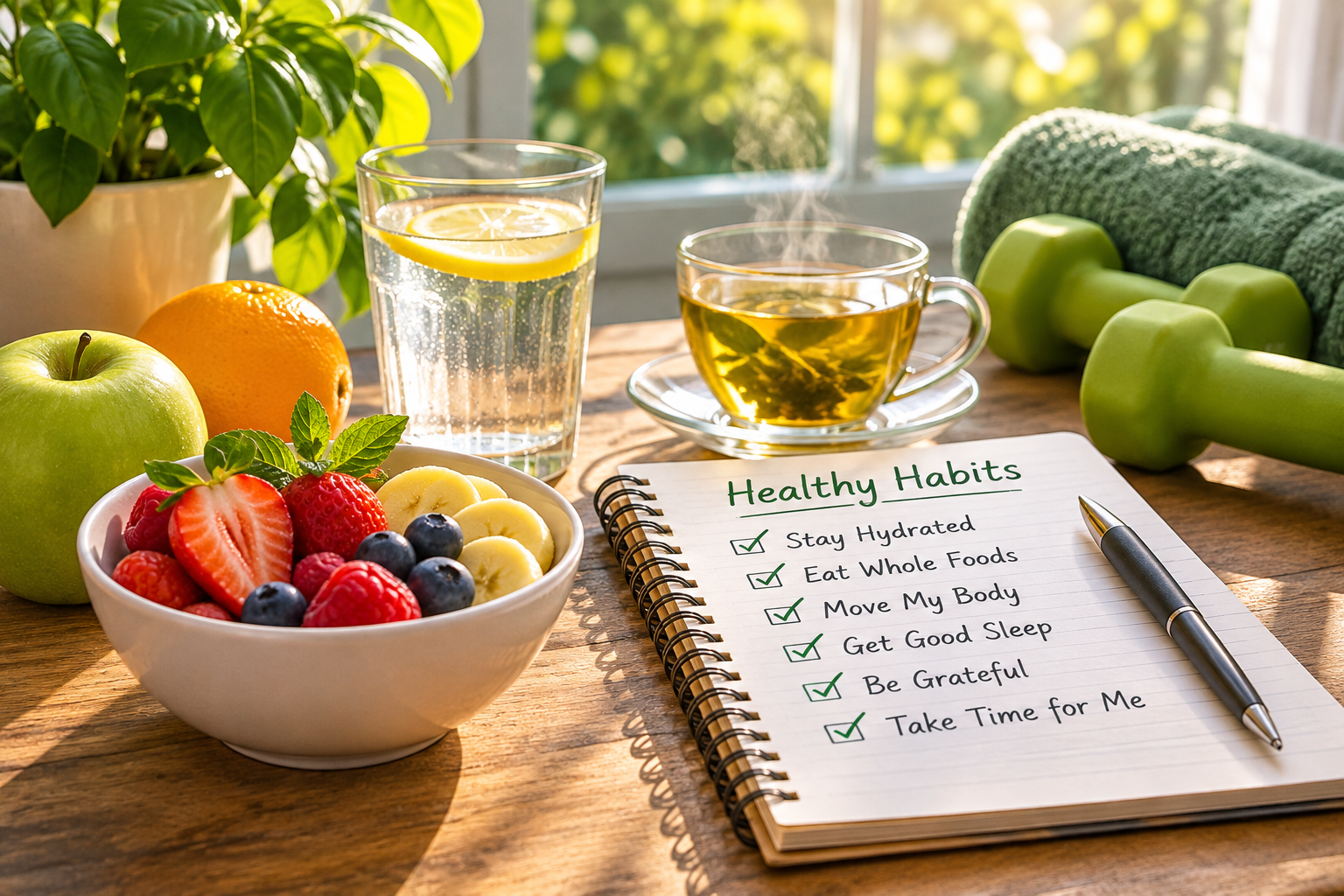
Living a healthier, happier life doesn’t have to involve expensive products, complicated routines, or dramatic lifestyle changes. Building healthy daily habits is one of the simplest ways to support your overall well-being. Sometimes, the smallest changes can make the biggest difference over time.
By incorporating these 10 simple daily habits into your routine, you can support your physical health, emotional well-being, and overall quality of life. The key is to start small and focus on consistency rather than perfection.
1. Start Your Morning With Water
Drinking a glass of water after waking up is a simple way to begin your day and support hydration. Water plays an important role in digestion, temperature regulation, and normal bodily functions.
Keep a glass or reusable water bottle nearby as a reminder to drink water throughout the day. Making hydration one of your daily habits can help you remember to drink water regularly.
2. Eat More Whole Foods
Focus on adding a variety of fruits, vegetables, whole grains, beans, nuts, and other nutritious foods to your meals. These foods provide important vitamins, minerals, fiber, and other nutrients that support everyday wellness.
You don’t need to completely change your diet overnight. Start by adding an extra serving of vegetables to dinner or replacing an occasional processed snack with fresh fruit.
Planning your meals ahead of time and keeping nutritious ingredients available can make healthier food choices easier throughout the week.
Explore our Recipes section for delicious meal inspiration.
3. Move Your Body Every Day
Regular physical activity can support heart health, mobility, mood, and overall well-being. You don’t necessarily need a gym membership or an intense workout routine to enjoy the benefits of movement.
Consider activities such as walking, gentle stretching, gardening, dancing, or chair exercises. Choose movements that suit your abilities and comfort level.
Making movement part of your daily habits can help you establish a more active lifestyle. Even short periods of physical activity can contribute to your overall activity level.
Learn more about the benefits of staying active through the Centers for Disease Control and Prevention’s physical activity resources.
4. Spend Time Outdoors
Spending time outside can provide a refreshing break from screens and everyday responsibilities. Enjoying nature may also help support relaxation and emotional well-being.
Try enjoying your morning coffee outside, taking a short walk, or simply sitting in a peaceful outdoor space. A few quiet moments outdoors can provide an opportunity to slow down and enjoy your surroundings.
5. Make Sleep a Priority
Quality sleep is an important part of a healthy lifestyle. Most adults need at least seven hours of sleep each night, although individual needs vary.
Create a relaxing bedtime routine, maintain a consistent sleep schedule, and make your bedroom a comfortable environment for rest. Reducing screen time before bed may also help.
Healthy daily habits that support sleep include going to bed at a consistent time, avoiding caffeine late in the day, and creating a quiet, comfortable sleeping environment.
6. Practice Mindful Eating
Mindful eating involves slowing down and paying attention to your meals. Instead of rushing through breakfast or eating while distracted, take time to enjoy the flavors, textures, and aromas of your food.
Pay attention to your hunger and fullness cues, and give yourself permission to enjoy food without unnecessary guilt.
Try sitting down at the table without your phone or television during one meal each day. This simple change can help you become more aware of your eating experience.
7. Create a More Peaceful Home
Your surroundings can influence how comfortable and relaxed you feel. Small changes around your home can help create a more inviting environment.
Spend a few minutes organizing a cluttered space, opening the curtains to let in natural light, or creating a comfortable corner where you can unwind.
Simple daily habits such as putting items away after using them and spending a few minutes tidying up can make household organization feel more manageable.
Visit our Natural Living section for more everyday home and lifestyle inspiration.
8. Take Breaks From Technology
Constant notifications, social media, and screen time can make it difficult to relax. Setting aside a little time each day away from technology can help you reconnect with the activities and people you enjoy.
Try reading a book, enjoying a hobby, preparing a meal, or having a conversation without checking your phone.
Consider creating a technology-free period during meals or before bedtime. Choose a routine that works with your personal responsibilities and lifestyle.
9. Practice Gratitude
Taking a moment to appreciate the positive things in your life can help you notice experiences that might otherwise go overlooked.
Consider writing down three things you’re grateful for each evening. They can be as simple as a delicious meal, a meaningful conversation, or a quiet moment to yourself.
Gratitude can become one of your daily habits without requiring a complicated journal or lengthy routine. A few thoughtful moments may be enough to help you appreciate the good things in your day.
10. Make Time for Yourself
Self-care doesn’t have to be expensive or time-consuming. Making room for activities you enjoy is an important part of maintaining balance in everyday life.
Enjoy a warm cup of tea, listen to your favorite music, spend time with loved ones, or take a few quiet moments to relax. Choose something that helps you feel refreshed.
Remember that taking care of yourself is not about following someone else’s perfect routine. It’s about finding practical ways to support your own needs and well-being.
How to Make Healthy Daily Habits Stick
Building healthier habits takes time. Rather than trying to adopt all ten habits at once, choose one or two that fit naturally into your current lifestyle.
- Start with small, achievable goals.
- Connect new habits to your existing routine.
- Focus on progress instead of perfection.
- Celebrate small accomplishments.
- Be patient with yourself when life gets busy.
One helpful approach is to connect a new habit with something you already do. For example, drink a glass of water after brushing your teeth or write in your gratitude journal before going to bed.
For additional information about building healthy daily habits, explore the National Institutes of Health’s Physical Wellness Toolkit.
Frequently Asked Questions About Healthy Daily Habits
What is the easiest healthy habit to start with?
Drinking water regularly, taking a short walk if you are able, or maintaining a consistent bedtime are simple habits that many people can incorporate into their daily routines.
How long does it take to develop a healthy habit?
The time needed to develop a habit varies depending on the person, behavior, and circumstances. Some habits may become easier within weeks, while others may take several months.
Do I need to follow all ten habits every day?
No. Start with habits that suit your individual needs and lifestyle. A sustainable routine is more important than trying to follow a perfect schedule.
Can healthy daily habits improve overall well-being?
Consistent habits involving balanced nutrition, appropriate physical activity, sufficient sleep, and self-care can support physical and emotional well-being. Individual results vary, and healthy habits should complement any medical care you need.
Final Thoughts
A healthier, happier lifestyle begins with small, intentional choices. By nourishing your body, prioritizing rest, staying active within your abilities, and making time for the things you enjoy, you can build a routine that supports your everyday well-being.
Remember that healthy daily habits are not about achieving perfection. Start with one positive change today, build on your progress, and create a lifestyle that feels realistic and sustainable for you.
Discover more practical tips and inspiration in our Wellness section.
Live well. Eat well. Discover more.
This article is for general informational and educational purposes only and is not intended to replace professional medical advice, diagnosis, or treatment.